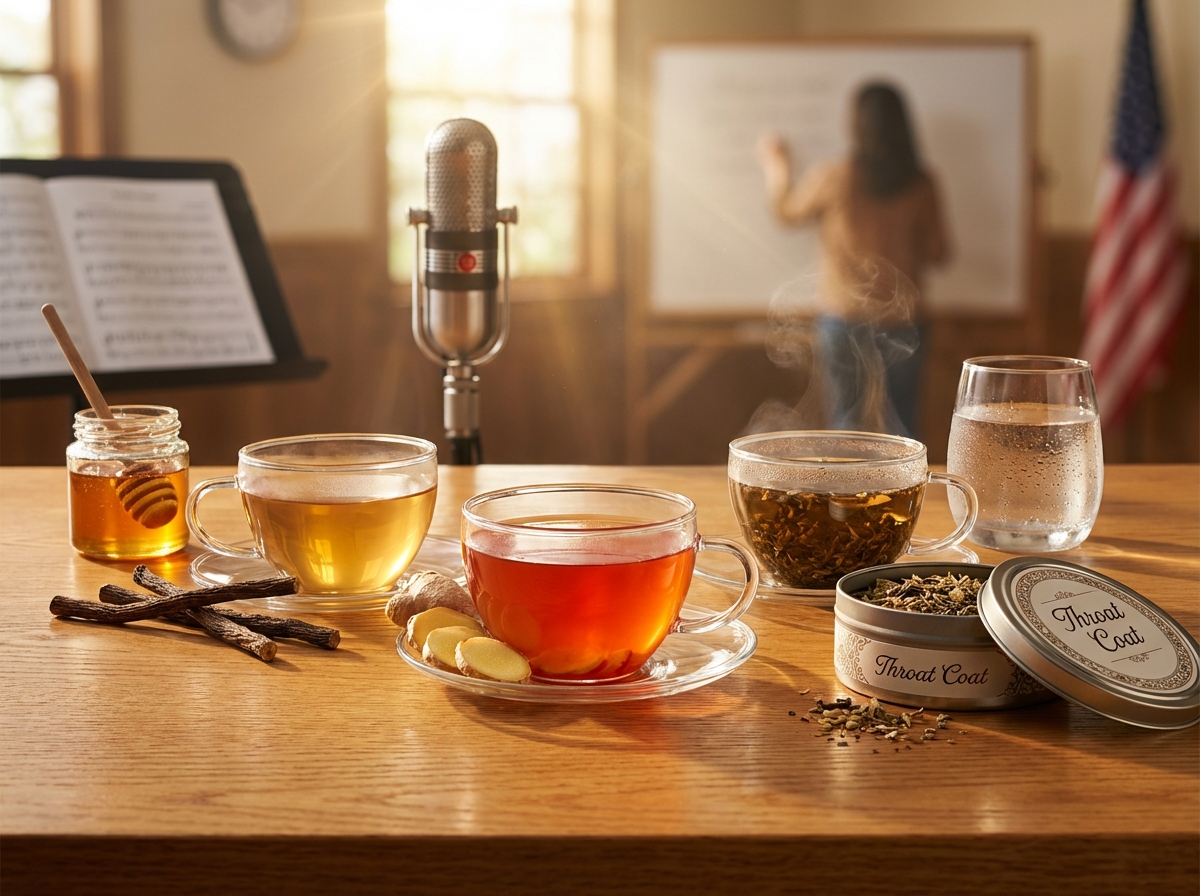
Every voice is an instrument that needs daily care. This article explores how ginger tea, licorice, and Throat Coat blends can soothe and support vocal tissues, and how to combine teas with therapist‑informed warmups, cooldowns, and home care strategies tailored for teachers, singers, speakers, and other voice‑heavy professions in the USA.
Why Vocal Health Matters and Basic Voice Science
The voice is a primary tool for many professionals. Teachers use it to manage classrooms. Singers rely on it for their art. Speakers use it to share ideas. When the voice fails, it impacts a person’s ability to work. Understanding how the voice works is the first step in protecting it. This knowledge helps in recognizing when the system is under stress. It also provides a foundation for using supportive tools like herbal tea effectively.
Physiology of Voice Production
The process of making sound begins in the lungs. Air moves up through the windpipe and reaches the larynx, often called the voice box. Inside the larynx are the vocal folds, two bands of muscle tissue that sit in a V shape when we breathe. When we speak, they come together, and air from the lungs pushes through them, making the folds vibrate to create sound.
The sound then moves into the throat, mouth, and nasal cavities. These areas, called resonators, act like the body of a guitar to amplify the sound and give the voice its unique tone. The way a person moves their tongue and lips shapes this sound into words. Breath support, involving the diaphragm and abdominal muscles, is the foundation of this process. These muscles control how much air goes to the vocal folds. Good support means the folds do not have to work too hard; without it, a person might squeeze their throat muscles to make sound, leading to tension.
A layer of mucus called the mucosa covers the vocal folds. It acts as a lubricant, preventing the folds from getting damaged when they vibrate. Proper hydration is necessary to keep this mucus thin. If a person is dehydrated, the mucus becomes thick, creating friction that makes the voice sound raspy and speaking feel like a chore.
Common Causes of Vocal Strain
Many factors contribute to vocal strain. Overuse is the most common cause, often occurring when someone talks for too long without a break, a frequent issue among teachers. Poor technique, such as shouting or speaking in a pitch that is too low, can hurt the folds. Dehydration dries out the mucosa, while allergies and upper respiratory infections cause inflammation and swelling. Smoking irritates the tissues and can lead to long-term damage.
Laryngopharyngeal reflux (LPR) is a significant factor in vocal health. This occurs when stomach acid reaches the larynx, causing irritation and prompting the body to produce more mucus. A person might feel a constant need to clear their throat, a habit that slams the vocal folds together with force, creating a cycle of irritation and swelling.
How Inflammation Affects the Voice
Inflammation changes how the vocal folds move. When swollen, they are heavier and do not vibrate as easily, making the voice sound deep or breathy and requiring more effort to produce sound. Recovery requires time for the body to reduce the swelling. If a person continues using their voice while it is inflamed, they can develop nodules—callus-like growths on the vocal folds that prevent them from closing properly, leading to a permanent change in voice quality.
Mucosal irritation makes the folds sensitive and leads to a feeling of dryness, making the voice feel fragile. When the mucosa is healthy, the folds can vibrate thousands of times per minute without injury. When irritated, every vibration causes stress, making the maintenance of the mucosal lining a priority for performers.
Prevention and Practical Care
Prevention starts with hydration. Drinking plenty of water is vital, as it takes approximately four hours for ingested water to systemically hydrate the vocal folds. Using a humidifier adds moisture to the air, hydrating the folds from the outside, which is especially helpful in the winter when indoor air is dry.
Vocal rest is a powerful tool that entails not talking at all. Whispering is not rest; it actually puts more strain on the folds. Posture also matters: standing tall allows the lungs to expand and keeps the airway open. Good breath support reduces the load on the larynx, creating a safe environment for the voice to function.
Medical Red Flags
Most vocal issues resolve with rest and hydration, but some symptoms require professional help. If hoarseness lasts more than two weeks, a doctor should check the larynx, even if there is no pain. Blood in the mucus, severe pain when talking or swallowing, difficulty breathing, or a sudden loss of voice requires an immediate doctor visit.
An otolaryngologist (ENT) specializes in the ear, nose, and throat and can examine the vocal folds using a small camera to check for growths or irritation. A speech-language pathologist (SLP) can help with technique and provide exercises to strengthen the voice. You can find more information on professional care in this Voice care: Sorting fact from fiction – UT Southwestern Medical Center article.
Herbal teas and home care are supportive; they soothe the throat and assist with hydration but are not a replacement for medical care. They work best when combined with good vocal habits, including resting the voice and using proper technique.
How Ginger, Licorice, and Throat Coat Work for the Throat
Ginger as a Functional Support for Vocal Tissues
Ginger has been a staple in traditional medicine for centuries, valued for its rhizome which contains bioactive compounds like gingerols and shogaols. These elements provide anti-inflammatory and antimicrobial properties. For individuals who rely on their voices, ginger serves as a warming agent that stimulates local circulation in the throat tissues. This increased blood flow can help with muscle relaxation and the removal of metabolic waste products accumulated during heavy vocal use. Some performers find that ginger helps thin out thick or sticky mucus, making it easier to maintain a clear airway without aggressive throat clearing. You can find more details on how this works in this guide on Is Ginger Tea Good for Your Voice?. The primary mechanism involves the modulation of inflammatory pathways; ginger inhibits certain enzymes that trigger swelling and pain, which is particularly helpful during the early stages of a cold or minor vocal fatigue. The sharp, spicy sensory profile provides an immediate “warming” effect often perceived as grounding, though the intensity can be drying for some if brewed too strong.
Licorice Root and the Demulcent Effect
Licorice root, or Glycyrrhiza glabra, offers a different type of support. Its most famous component, glycyrrhizin, is a powerful demulcent—a substance that creates a soothing film over a mucous membrane. When you drink licorice tea, this film coats the pharynx, providing a physical barrier against irritation. It also has antitussive properties, helping to suppress dry or tickly coughs that strain the vocal folds. Licorice is also known for mild anti-inflammatory effects and helping the body regulate cortisol levels. The taste is distinctively sweet and lingering, feeling smooth and heavy on the palate. This “coating” sensation is often what speakers seek when their throats feel raw. However, licorice is potent and should be used with awareness of its systemic impacts, such as blood pressure elevation.
The Composition of Throat Coat and Herbal Blends
Many professionals turn to pre-mixed herbal blends like Throat Coat, designed to maximize the demulcent effect. Core ingredients usually include slippery elm bark and marshmallow root alongside licorice. Slippery elm contains high levels of mucilage, a complex string of sugars that becomes a gel-like substance when mixed with water. Marshmallow root works similarly, providing a thick, viscous texture that stays on throat tissues longer than plain water. Some brands add wild cherry bark to calm the cough reflex or fennel and orange peel for flavor. These blends aim to reduce the friction that occurs during swallowing or speaking. The sensory experience is often described as “slippery” or “thick,” providing immediate comfort and a sense of lubrication.
Reviewing the Clinical Evidence and Limitations
While these herbs have a long history of use, scientific evidence regarding their direct impact on the voice is still developing. Laboratory studies confirm the anti-inflammatory and antimicrobial actions of ginger and licorice in controlled environments; for instance, research shows ginger can reduce markers of inflammation in human cells. You can read a Comprehensive Systematic Review of Ginger for study structures. However, high-quality clinical trials specifically measuring vocal fold vibration after drinking these teas are lacking. A critical distinction is that tea does not touch the vocal cords directly. As noted in Voice care: Sorting fact from fiction, the epiglottis protects the airway during swallowing, directing liquid down the esophagus. Benefits to the vocal folds are likely a result of systemic hydration, reduction of inflammation in surrounding tissues, or inhaled steam providing topical hydration.
Practical Considerations for Performers and Speakers
Choosing between these supports depends on the specific needs of the voice. If the throat feels tight and the voice “stuck,” the warming, circulating properties of ginger may be best to “wake up” tissues and move stagnant mucus. If the throat feels scratchy, dry, or painful, the coating properties of licorice or a Throat Coat blend are usually more appropriate. Timing is also key: spicy ginger tea might be too stimulating right before a high-energy performance, while a thick licorice blend might feel too heavy for a singer needing a “clean” sensation. Many find success mixing elements, such as adding honey to ginger tea for both warming and coating effects. See Does Honey, Lemon and Ginger Improve Your Voice? for further discussion. Always remember these herbs are supportive tools, not fixes for pushing the voice beyond physiological limits.
Summary of Herbal Properties for Vocal Support
The following table summarizes the key characteristics of these three herbal supports.
| Herb / Blend | Primary Action | Sensory Profile | Best Used For |
|---|---|---|---|
| Ginger | Anti-inflammatory, Circulatory | Spicy, Warming, Sharp | Congestion, thick mucus, “cold” throat |
| Licorice | Demulcent, Antitussive | Sweet, Lingering, Smooth | Dryness, tickly cough, raw sensation |
| Throat Coat Blends | Mucilage Coating, Soothing | Thick, Earthy, Viscous | Severe irritation, vocal fatigue, protection |
A Cautious Approach to Herbal Support
It is vital to maintain a realistic perspective. While teas offer comfort, they are not cures for pathologies like nodules or polyps. Clinical evidence is limited, and active ingredient concentrations vary between brands. A “Throat Coat” tea from one company might have significantly more slippery elm than another. Always listen to your body; if hoarseness persists for more than two weeks, herbal tea should not be the only solution, and professional medical advice is necessary.
Practical Use Recipes, Protocols, and Safety Considerations
Brewing Techniques for Maximum Vocal Benefit
Success with herbal tea starts with the right water temperature. Avoid boiling water for most vocal herbs, as it can damage the delicate mucilage in slippery elm or marshmallow root and scald the throat. Aim for 170 to 185 degrees Fahrenheit. If you lack a thermometer, let the kettle sit for three minutes after whistling.
Steeping Times for Roots
Ginger and licorice are dense roots requiring longer steep times than leafy teas. Let them sit in covered water for at least ten to fifteen minutes. Covering the cup prevents beneficial volatile oils from escaping. For a stronger ginger infusion, simmer fresh slices for twenty minutes to create a potent decoction for circulation.
Cold Infusion for Mucilage
Marshmallow root works best with a cold infusion to extract soothing polysaccharides without bitter tannins. Place two tablespoons of dried marshmallow root in a jar of room-temperature water and let it sit overnight (or at least four hours). The liquid will become thick and viscous, ideal for coating the pharynx. Drink cold or gently warmed.
Single Herbs Versus Blends
Single ingredients allow dosage control, helpful for sensitivities. Blends like Throat Coat offer synergy, combining anti-inflammatory licorice with coating slippery elm. If using a blend, extend the package’s recommended steep time to ensure roots fully release their properties.
Timing Your Tea for Performance and Teaching
Timing determines effectiveness. Avoid large amounts of liquid immediately before stage time to prevent a heavy stomach or bathroom breaks.
Pre-Vocal Warmup
Drink about eight ounces of warm tea forty-five minutes before your warmup. This allows time for systemic hydration. While tea does not touch vocal folds directly, the hydration and steam provide benefits.
Between Sets and Classes
Keep a thermos of warm tea nearby during long blocks. Take small sips to maintain consistent throat moisture and manage mucus. If the voice feels tight, the warmth can help relax extrinsic laryngeal muscles.
The Cooldown Phase
Use tea for recovery. After a long day, licorice or ginger tea can help reduce minor swelling. Pair with gentle humming or straw phonation to help vocal folds transition to a resting state.
Serving Temperature and Portion Sizes
Temperature is critical. Liquid that is too hot can cause thermal injury to the mucosal lining, leading to inflammation. Always test tea on your wrist; it should be pleasantly warm, not hot.
Recommended Portions
Limit intake to two or three cups per day. Overconsumption can lead to digestive issues or side effects. Supplement tea with plenty of plain, room-temperature water.
Supportive Additions and What to Avoid
Honey is a popular addition, acting as a humectant and mild antibacterial agent. Note: never give honey to infants under twelve months due to botulism risk.
Lemon and Acidity
A squeeze of lemon can break up phlegm, but its acidity can trigger laryngopharyngeal reflux (LPR), irritating vocal folds. Use sparingly.
Bases to Avoid
Avoid caffeinated bases like black or green tea if prone to dryness, as caffeine is a diuretic. Stick to herbal infusions or rooibos. Avoid dairy or heavy creams before performance, as they can increase mucus viscosity.
Contraindications and Safety Warnings
Herbal remedies require respect. Licorice root contains glycyrrhizin, which can cause salt retention and potassium loss.
Licorice Cautions
Regular consumption can lead to high blood pressure or edema. People with hypertension, heart disease, or kidney issues should avoid it. It interacts with ACE inhibitors, diuretics, and anticoagulants. For those sensitive to glycyrrhizin, DGL (deglycyrrhizinated) licorice is a safer alternative that removes the problematic compound while retaining some soothing properties.
Ginger Cautions
Ginger has natural blood-thinning properties. Consult a doctor if on anticoagulants or if you have a bleeding disorder. High doses can cause heartburn. See effects of ginger on the voice for more details.
Slippery Elm and Marshmallow Root
High mucilage content can coat the stomach lining, interfering with oral medication absorption. Take prescriptions at least two hours before or after drinking these teas.
Guidance for Special Populations
Pregnant or breastfeeding individuals should exercise caution. Licorice is linked to potential developmental issues and should be avoided. Children are more sensitive to active compounds; use weaker infusions and consult a pediatrician.
Consulting Professionals
Pharmacists can check for herb-drug interactions. Herbal support should never replace advice from an ENT or SLP.
7-Day Sample Voice Support Routine
This schedule combines herbal support with behavioral habits to maintain vocal health.
| Day | Teacher Routine | Singer Routine |
|---|---|---|
| Monday | Morning ginger tea. Humidifier in classroom. 5-minute warmup. | Hydration focus. 10-minute steam. Gentle humming. |
| Tuesday | Throat Coat during lunch. Avoid shouting. 5-minute cooldown. | Licorice tea before rehearsal. Full vocal warmup. Cooldown. |
| Wednesday | Vocal rest during breaks. Warm water with honey. | Strict vocal rest day. Marshmallow root cold infusion. |
| Thursday | Ginger tea in the morning. Steam after work. | Throat Coat before lesson. Focus on breath support. |
| Friday | Licorice tea for the final stretch. 10-minute cooldown. | Performance day. Warm tea 1 hour before. Small sips. |
| Saturday | Recovery day. Marshmallow root tea. Minimal talking. | Post-performance recovery. Steam. Gentle sirens. |
| Sunday | Prepare for the week. Hydrate. Full vocal rest. | Light practice. Ginger tea. Review vocal health goals. |
Common Questions and Myths About Tea and Voice Care
Many voice professionals reach for a mug when their throat feels tight. While comforting, specific concerns about safety and effectiveness often arise. Understanding the science helps in making better choices.
Is it safe to drink licorice tea every single day?
Because glycyrrhizin can cause sodium retention and potassium loss, drinking large amounts daily may lead to high blood pressure. For most, one cup a day is fine for short periods. If you have a history of heart issues or hypertension, look for DGL (deglycyrrhizinated) licorice or rotate with other herbs like ginger to reduce cumulative risks.
Takeaway: Limit standard licorice tea or choose DGL versions to avoid blood pressure issues.
Can herbal tea actually heal vocal nodules?
Vocal nodules are structural changes (callouses) on the vocal folds. Tea cannot physically reach the vocal folds because the epiglottis closes the airway during swallowing. While warmth and herbs soothe surrounding tissues, they cannot dissolve nodules. Managing irritation helps, but nodules require behavioral changes and voice therapy from a speech-language pathologist.
Takeaway: Tea manages discomfort but does not replace professional voice therapy for structural issues.
How should I use tea if I suffer from acid reflux?
Reflux damages the voice by irritating the larynx. If you have reflux, avoid peppermint tea, as it can relax the lower esophageal sphincter and worsen the problem. Ginger tea aids digestion, but its spiciness might trigger acid in some. Drink tea earlier in the day and avoid lying down for at least two hours after finishing.
Takeaway: Choose non-triggering herbs like chamomile or marshmallow root and watch your timing.
How long does it take to see an improvement in my voice after drinking tea?
You will likely feel immediate soothing from the warmth and coating action. However, systemic benefits like improved hydration and reduced inflammation take longer. If recovering from heavy use, expect a difference over two or three days of consistent care. Tea is a supportive tool, not a magic fix for fatigue.
Takeaway: Expect immediate surface relief but allow 48-72 hours of consistent use for deeper recovery.
Does the steam from the tea do more than the liquid?
In many ways, yes. While liquid goes down the esophagus, steam is inhaled into the trachea, passing directly over the vocal folds. This provides topical hydration that helps thin sticky mucus. Taking deep breaths over your mug before sipping is a beneficial habit.
Takeaway: Inhaling steam provides direct hydration to the vocal folds that the liquid cannot reach.
Closing Action Steps and Resources
Building a sustainable routine for your voice requires balancing traditional remedies with modern clinical practices. Tea is a wonderful adjunct to a healthy lifestyle, providing comfort and minor physiological benefits. However, your voice relies on a combination of hydration, rest, and proper technique. Use these teas to support your body while following the advice of medical professionals.
Daily Voice Care Checklist
A healthy voice is the result of consistent daily habits. Use this checklist to stay on track.
First, prioritize internal hydration. Drink plenty of water throughout the day so your body can produce thin, protective mucus.
Second, use a cool mist humidifier in your bedroom, especially during winter when indoor heating dries the air.
Third, start your day with gentle vocal warmups. Humming or lip trills wake up muscles without strain.
Fourth, schedule vocal naps—periods of five to ten minutes of absolute silence to let vocal folds recover.
Fifth, avoid shouting or talking over loud background noise to prevent fatigue.
Sixth, use supportive teas like ginger or licorice for mild irritation, but never as a replacement for rest.
Finding Professional Resources in the USA
If you need professional guidance, excellent resources are available. To find a qualified voice therapist, use the ProFind tool on the American Speech-Language-Hearing Association (ASHA) website to search for Speech-Language Pathologists specializing in voice disorders. For a medical diagnosis, look for a board-certified Otolaryngologist via the American Academy of Otolaryngology-Head and Neck Surgery directory. Many large hospitals also have dedicated voice centers where ENTs and therapists collaborate. You can find more practical therapy applications and myths in the 6 Vocal Myths guide provided by ASHA.
Sources
- Effects of Ginger on the Voice – Toronto Adult Speech Clinic — Ginger has been a staple in keeping the voice and the body healthy. In this article, we explore the positive and negative impacts of ginger …
- Relationship: Vocal Cords and ginger – Caring Sunshine — Some laboratory and clinical studies suggest that ginger can help reduce inflammation and possibly relieve symptoms of pharyngitis (sore throat). However, …
- Is Ginger Tea Good for Your Voice? A Complete Guide – Orient Cup — Ginger tea provides several benefits for the voice by soothing irritation, reducing mild swelling, thinning mucus, and hydrating the vocal cords …
- Does Honey, Lemon and Ginger Improve Your Voice? — The likes of honey and ginger are antibacterial and so they do have properties in them that are helpful. If your voice is sick because you have …
- [PDF] Busting the Myth: The Real Scoop on Tea – The University of Memphis — Although there are numerous scientific studies regarding the health benefits of tea, the results are wide ranging and at times inconclusive.
- 6 Vocal Myths: Practical Therapy Applications – The ASHA Leader — There are no studies on how it directly affects the voice, but the steam from a hot beverage most likely will topically hydrate your vocal …
- Ginger on Human Health: A Comprehensive Systematic Review of … — Seventy-three studies demonstrated the effect of ginger in comparison with placebo groups as a control, while 14 studies compared ginger with medication.
- Voice care: Sorting fact from fiction – UT Southwestern Medical Center — It's a myth that what you eat or drink comes into direct contact with your vocal cords. Drinking honey or tea, or gargling salt water or apple cider vinegar can …
Legal Disclaimers & Brand Notices
The content provided in this article is for informational purposes only and does not constitute professional medical advice, diagnosis, or treatment. Always seek the advice of your physician, otolaryngologist, or other qualified health provider with any questions you may have regarding a medical condition, vocal health, or the use of herbal supplements. Never disregard professional medical advice or delay in seeking it because of something you have read in this article.
All product names, logos, and brands are property of their respective owners. All company, product, and service names used in this article are for identification purposes only. Use of these names, trademarks, and brands does not imply endorsement.